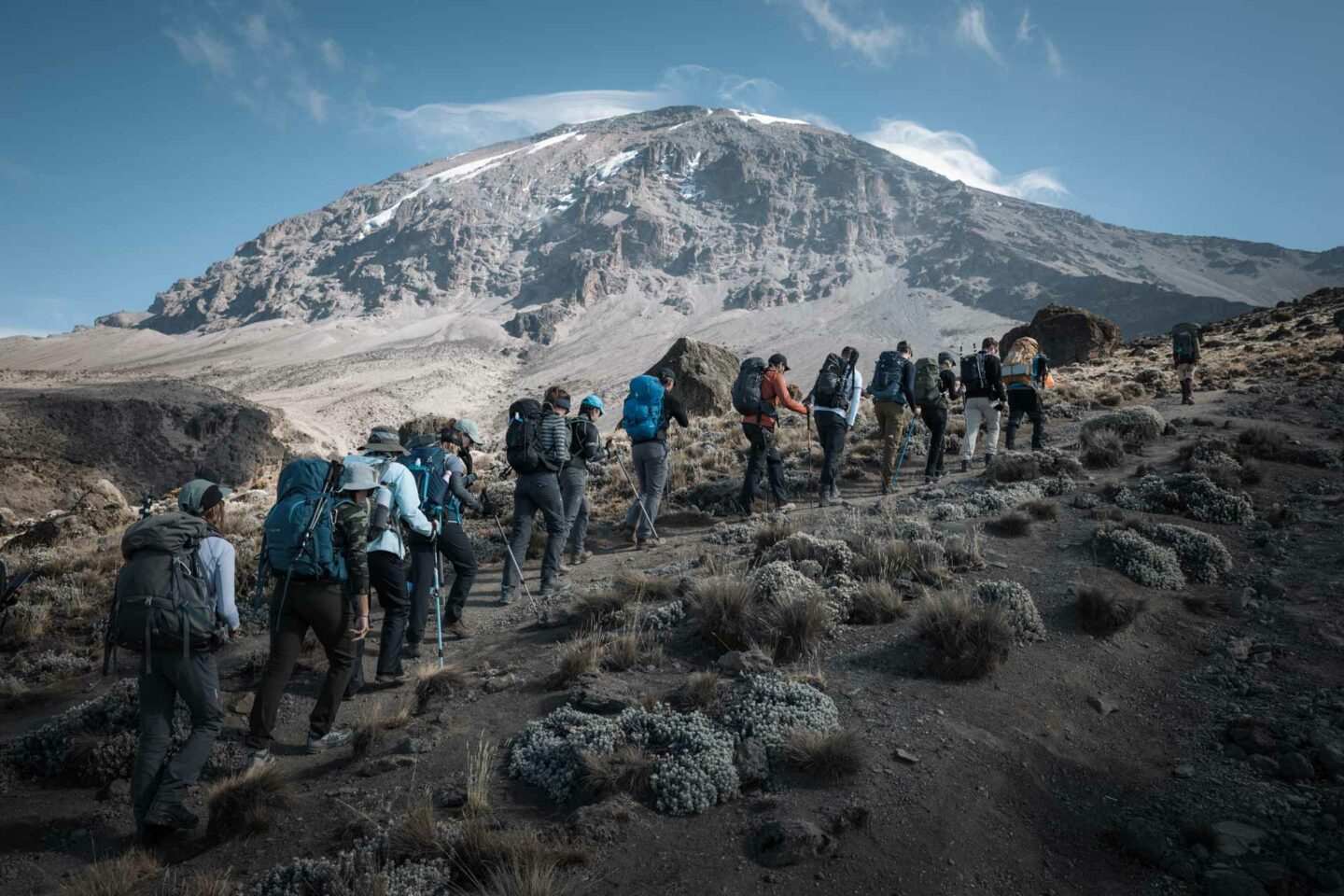
Everything You Need to Know Before Climbing Africa’s Highest Peak
Standing at 5,895 meters (19,341 feet) above sea level, Mount Kilimanjaro is the tallest mountain in Africa and one of the world’s most iconic trekking destinations. Every year, thousands of adventurers travel to Tanzania to experience the challenge and beauty of climbing this magnificent free-standing mountain. Unlike many other major peaks, Kilimanjaro does not require technical climbing skills, making it achievable for beginners and experienced hikers alike with the right preparation.
At Adventure Makers, we are committed to making your Kilimanjaro adventure safe, enjoyable, and memorable. Our professional mountain guides, experienced porters, and well-planned itineraries ensure you have the best possible chance of reaching Uhuru Peak, the highest point on the mountain. We understand that preparing for a Kilimanjaro climb involves many questions, from choosing the best route and understanding altitude sickness to packing the right equipment and selecting the ideal travel season
Everything you need to know before climbing Mount Kilimanjaro
The best time to climb is during the dry seasons: January to March and June to October. These months offer clear skies, excellent visibility, and more stable weather conditions, making the trek safer and more enjoyable.
Kilimanjaro is considered a non-technical mountain, meaning no climbing equipment is required. However, it is physically demanding due to the high altitude, so proper fitness and acclimatization are essential.
No. Many first-time trekkers successfully summit Kilimanjaro. A good level of physical fitness, mental determination, and choosing a longer route for better acclimatization will greatly improve your chances.
Popular routes include Machame, Lemosho, Marangu, Rongai, and Northern Circuit. Lemosho and Machame are recommended for their beautiful scenery and higher summit success rates due to better acclimatization.
Most climbs take 6 to 9 days, depending on the route selected. Longer itineraries provide better acclimatization and increase the likelihood of reaching Uhuru Peak successfully.
Altitude sickness occurs when your body struggles to adjust to high elevations. Staying hydrated, walking slowly (“Pole Pole”), eating well, and selecting a longer route are the best ways to reduce the risk.
Essential items include layered clothing, waterproof jackets, insulated gloves, warm hats, hiking boots, sleeping bags, trekking poles, sunglasses, sunscreen, and a daypack. A detailed packing list will be provided before your trip.
Summit success depends on the route and acclimatization schedule. Routes lasting 7–8 days generally achieve the highest success rates because they allow more time for your body to adjust to the altitude.
Yes. Comprehensive travel insurance that covers high-altitude trekking, emergency evacuation, and medical expenses is strongly recommended for every climber.
Absolutely! Many travelers choose to relax after their climb with a safari in Serengeti National Park, Ngorongoro Crater, Tarangire National Park, or Lake Manyara National Park, creating the ultimate Tanzania adventure.
International flights (From/to home)
Tips (tipping is an expected, though not compulsory, component of any African safari. We are often asked for tipping guidelines and we recommend $20 USD for your Guide per person per day
Important information
Tanzania Visa:
In regard to visas in Tanzania- majority of clients can get a visa on arrival at the airport and the cost is $100 USD for Americans and $50 USD Europe countries, Asia and Canadians. The money must be paid in USD cash (no credit cards are accepted) and I always suggest bringing some passport photos in case they ask for them. The process is very simple and doesn’t take long.
However, you can apply for Tanzania visa online now please see the link http://www.immigration.go.tz/index.php/en/services/visa-information
Yellow Fever
Tanzania requires proof of yellow fever vaccination upon arrival if you are traveling from a country with risk of yellow fever and it is a requirement in some neighbouring countries including Kenya, Uganda and Rwanda etc. However, Tanzania no longer officially requires you to carry the certificate unless you are arriving from an infected area.
Insurance
As you may have gathered, going on a safari requires more preparation than most other types of travels. In order to book a package, some tour operators may require you to purchase travel insurance. We believe that it’s ‘better to be safe than sorry’ and highly recommend for you to purchase a policy – for your own protection, even if your tour operator doesn’t require you to do so.
We accept
Copyright © 2026, Adventure Makers Tanzania. All rights reserved | Developed by AlgoPage


