
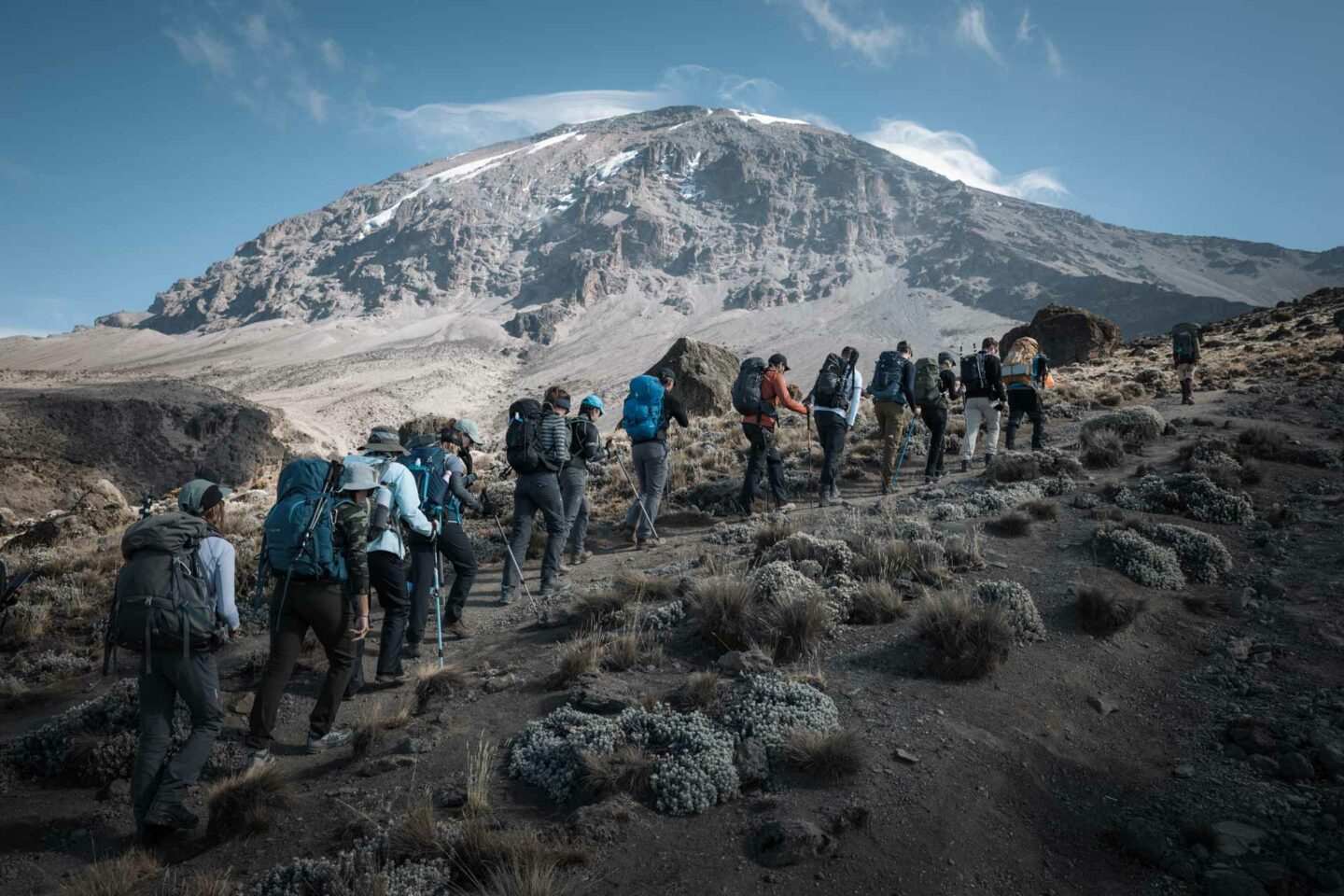
Mount Kilimanjaro Packing List: What to Pack for a Successful Climb
Posted on August 1, 2026
Climbing Mount Kilimanjaro is an exciting adventure thhttps://www.adventuremakers.co.tz/treks/at takes you through several different climate zones, from warm rainforest trails to cold, high-altitude landscapes near the summit. Because the weather and terrain change throughout the trek, preparing the right Mount Kilimanjaro packing list is an important part of planning your journey.
Knowing what to pack for Kilimanjaro can help you stay warm, dry, comfortable, and prepared during every stage of the climb. You will need lightweight clothing for warm daytime conditions, insulated layers for cold evenings, waterproof gear for rain, reliable hiking boots, and essential equipment for summit night.
Your Kilimanjaro climbing gear should be practical, comfortable, and suitable for several days of trekking. The goal is not to carry as much equipment as possible. Instead, you should pack the right items and use a proper layering system that allows you to adjust to changing temperatures.
This detailed Kilimanjaro packing list will help you understand the essential clothing, footwear, bags, sleeping equipment, accessories, and personal items you may need for your trek.
Why Is a Proper Mount Kilimanjaro Packing List Important?
Mount Kilimanjaro has several ecological zones, and the conditions can change significantly as you gain altitude.
The lower sections of the mountain may be warm and humid, especially in the rainforest. Higher areas can become windy and cold, while temperatures near the summit may fall below freezing.
During one Kilimanjaro trek, you may experience:
- Warm and humid rainforest conditions
- Rain and muddy trails
- Cool mountain evenings
- Strong winds at higher elevations
- Intense sunlight during the day
- Freezing temperatures near the summit
Because of these changing conditions, you need clothing that can be worn in layers. A good Kilimanjaro packing list helps you prepare for both warm and cold weather without carrying unnecessary equipment.
The right gear can also improve your comfort during long trekking days. Proper hiking boots can reduce the risk of blisters, trekking poles can support your knees, and a comfortable daypack allows you to carry important items during the hike.
Kilimanjaro Clothing: Use a Layering System
The best way to prepare for changing weather on Mount Kilimanjaro is to use a layered clothing system.
Instead of wearing one heavy jacket throughout the trek, you can add or remove layers depending on the temperature and weather conditions.
A typical layering system includes:
- A moisture-wicking base layer
- A warm insulation layer
- A waterproof and wind-resistant outer layer
This system allows you to stay comfortable while hiking and provides additional warmth when temperatures drop.
Base Layers for Kilimanjaro
Base layers are worn close to the skin and help move moisture away from your body.
Choose lightweight and breathable materials such as merino wool or synthetic technical fabrics. These materials dry quickly and are more suitable for trekking than cotton.
Your Kilimanjaro hiking equipment should include:
- Long-sleeve thermal tops
- Thermal leggings or long underwear
- Moisture-wicking underwear
- Lightweight trekking shirts
Bring enough base layers to remain comfortable during the trek, but avoid packing too many heavy items.
Cotton clothing is generally not recommended because it absorbs moisture and dries slowly. When cotton becomes wet, it can make you feel cold and uncomfortable.
Trekking Shirts
Trekking shirts should be lightweight, breathable, and quick-drying.
A combination of short-sleeve and long-sleeve shirts is useful because temperatures can vary throughout the day.
Long-sleeve shirts also provide extra protection from:
- Strong sunlight
- Wind
- Dust
- Insects in lower areas
Synthetic fabrics and merino wool are popular choices because they manage moisture and dry faster than cotton.
Hiking Trousers and Trekking Pants
Comfortable trekking trousers are an important part of your Mount Kilimanjaro gear list.
Choose lightweight hiking pants that allow easy movement and are suitable for long days on the trail.
You may also want to pack:
- Lightweight trekking trousers
- Warm thermal leggings
- Waterproof over-trousers
- Comfortable camp clothing
Thermal leggings can be worn under your trekking pants when temperatures become colder. Waterproof over-trousers may be useful during rain or windy conditions.
Avoid wearing heavy jeans because they are uncomfortable for trekking and take a long time to dry when wet.
Fleece or Insulated Mid-Layer
A fleece jacket or insulated mid-layer provides warmth during cool mornings, evenings, and higher sections of the mountain.
Your insulation layer should be warm but not too heavy. It should also fit comfortably under your waterproof outer jacket.
Depending on the season and your personal comfort level, you may pack:
- A mid-weight fleece jacket
- A lightweight insulated jacket
- A warm sweater designed for outdoor activities
The insulation layer can be worn over your base layer and removed when you become warm during the hike.
Waterproof and Windproof Outer Jacket
A high-quality waterproof jacket is one of the most important items on a Kilimanjaro packing list.
Weather conditions can change quickly, especially in the rainforest and higher mountain areas. Your outer jacket should protect you from rain and wind while remaining breathable.
Look for a jacket with:
- Waterproof material
- A secure hood
- Wind protection
- Breathable fabric
- Enough space for additional layers underneath
A lightweight rain poncho can also be useful, particularly when hiking in wet conditions.
Your rain jacket should be easy to access because you may need to put it on quickly when the weather changes.
Warm Jacket for Summit Night
Summit night is usually the coldest and most demanding part of the Kilimanjaro climb.
You will begin the final ascent late at night or around midnight and continue hiking through very cold and windy conditions.
A warm insulated jacket is essential for this part of the journey.
Choose a jacket that provides good insulation without being excessively heavy. Your summit jacket should fit comfortably over your base layer, fleece, and other clothing.
A warm jacket is especially important during rest breaks when your body may cool down quickly.
Beanie, Neck Warmer, and Balaclava
A warm thermal beanie is essential for protecting your head and ears at higher elevations.
A neck warmer or buff can help protect your face and neck from:
- Cold wind
- Dust
- Strong sunlight
- Freezing temperatures near the summit
Some climbers also use a balaclava during summit night for additional warmth.
These items are lightweight and take up very little space, making them useful additions to your Kilimanjaro trekking checklist.
Gloves for Mount Kilimanjaro
Cold hands can make the summit climb uncomfortable, so it is important to bring suitable gloves.
A two-layer glove system works well:
- Thin thermal inner gloves
- Warm waterproof outer gloves or mittens
The inner gloves provide warmth while allowing you to handle smaller items. The outer gloves provide additional insulation and protection from wind and moisture.
Avoid cotton gloves because they can retain moisture and become cold.
Hiking Boots for Kilimanjaro
Your hiking boots are among the most important pieces of Kilimanjaro climbing gear.
Choose comfortable, durable boots that provide good ankle support and reliable traction.
Your boots should be:
- Suitable for multi-day trekking
- Comfortable for long walking days
- Well broken in before your trip
- Supportive around the ankles
- Equipped with strong soles
- Large enough to wear with warm trekking socks
Do not bring brand-new hiking boots to Kilimanjaro without testing them. Wear your boots during practice hikes before traveling so you can identify any pressure points or fit problems.
Properly fitted boots can help reduce the risk of blisters and discomfort.
Trekking Socks and Thermal Socks
Good hiking socks help keep your feet comfortable and dry.
Choose moisture-wicking socks made from merino wool or technical synthetic materials.
Your Kilimanjaro gear list should include:
- Several pairs of trekking socks
- Warm thermal socks for summit night
- Optional thin liner socks
Avoid cotton socks because they retain moisture and may increase the risk of blisters.
Make sure your socks fit comfortably inside your hiking boots without creating pressure or restricting circulation.
Camp Shoes or Sandals
After a long day of trekking, it is helpful to remove your hiking boots and allow your feet to rest.
Lightweight camp shoes, sandals, or comfortable trainers are useful for wearing around the campsite.
Choose something easy to pack and comfortable enough for short walks around camp.
Camp shoes can also help keep your hiking boots dry and clean for the next day.
Gaiters
Gaiters cover the area between your hiking boots and lower legs.
They can help keep:
- Mud
- Rain
- Small stones
- Dust
- Loose volcanic material
out of your boots.
Waterproof gaiters may be especially useful during wet conditions or when walking on loose terrain.
Trekking Poles
Trekking poles are highly recommended for many Kilimanjaro climbers.
They can improve balance on uneven trails and reduce pressure on your knees during long descents.
Trekking poles may be useful when:
- Walking on steep trails
- Descending from higher elevations
- Crossing uneven ground
- Hiking on loose volcanic terrain
- Managing fatigue during long trekking days
Adjustable poles are convenient because they can be shortened or lengthened according to the terrain.
If you plan to use trekking poles, practice walking with them before your Kilimanjaro trek.
Daypack for Kilimanjaro
Your daypack carries the items you need while hiking.
Although porters normally carry your larger duffel bag between camps, you will carry your daypack during the trek.
A comfortable daypack should have:
- Padded shoulder straps
- A supportive back system
- Easy-access pockets
- Space for water and personal items
- A rain cover
Your daypack may contain:
- Drinking water
- Snacks
- Sunscreen
- Sunglasses
- Rain jacket
- Extra clothing layers
- Camera
- Personal medication
- Small first-aid supplies
A daypack with a capacity of approximately 25 to 35 litres is often suitable, but the ideal size depends on the amount of gear you plan to carry.
Duffel Bag for Porter-Carried Equipment
Your larger equipment is usually packed inside a soft-sided duffel bag.
This bag may contain:
- Clothing
- Sleeping equipment
- Camp shoes
- Toiletries
- Additional trekking gear
- Personal items not required during the day
A durable and water-resistant duffel bag is useful because conditions on the mountain can be wet and dusty.
Use dry bags or packing cubes inside your duffel to keep equipment organized and protect important items from moisture.
Rain Cover and Dry Bags
Rain can occur in the lower sections of Mount Kilimanjaro, so it is important to protect your equipment.
A rain cover helps keep your daypack dry.
Dry bags are useful for protecting:
- Extra clothing
- Electronics
- Travel documents
- Sleeping equipment
- Important personal items
Packing cubes can also make it easier to organize your clothing and find items quickly.
Sleeping Bag
A warm sleeping bag is essential for cold nights on the mountain.
Choose a sleeping bag designed for low temperatures and suitable for high-altitude trekking.
Your sleeping bag should provide enough warmth for the coldest conditions you may experience during the climb.
Consider using a sleeping bag liner for additional warmth and comfort.
Before your trip, confirm whether your trekking operator provides sleeping bags or whether you need to bring or rent one.
Hydration Bladder and Water Bottles
Staying hydrated is important during a Kilimanjaro climb.
A hydration bladder allows you to drink water regularly without removing your backpack. However, the drinking tube may become cold at higher elevations.
Some climbers prefer to carry both:
- A hydration bladder
- Reusable water bottles
Water bottles can be easier to manage during very cold conditions.
Your trekking team will usually provide guidance about water treatment and safe drinking water during the climb.
Headlamp and Spare Batteries
A reliable headlamp is essential for summit night.
The final ascent usually begins in darkness, so you will need hands-free lighting while walking.
Choose a headlamp with:
- Strong and reliable brightness
- Comfortable head straps
- Long battery life
- Easy controls
Bring spare batteries or a backup power source.
Cold temperatures can reduce battery performance, so keep spare batteries in a warm pocket when possible.
Sunglasses and Sun Protection
Sunlight can be intense at high elevations, especially when reflected from snow or light-colored ground.
Bring sunglasses that provide strong ultraviolet protection.
Your sun protection equipment should include:
- UV-protective sunglasses
- High-SPF sunscreen
- Lip balm with sun protection
- A sun hat or cap
Apply sunscreen regularly, particularly to your face, ears, neck, and other exposed areas.
Personal Toiletries and Hygiene Items
Personal hygiene items can help you remain comfortable during several days on the mountain.
Pack essential items such as:
- Toothbrush and toothpaste
- Wet wipes
- Hand sanitizer
- Small quick-dry towel
- Toilet paper
- Lip balm
- Moisturizer
- Personal toiletries
Keep your toiletries compact and avoid carrying large containers.
Wet wipes can be useful because regular shower facilities may not be available during the trek.
First-Aid and Personal Health Items
Your trekking company will normally have safety procedures and trained guides, but you should bring your personal health supplies.
Consider packing:
- Personal prescription medication
- Blister plasters
- Basic pain relief medication if approved by your healthcare professional
- Small bandages
- Antiseptic wipes
- Any personal medical supplies
Speak with a qualified healthcare professional before your trip regarding medications, vaccinations, and high-altitude travel.
Do not begin a trek with new medication unless you have received appropriate medical advice.
Snacks and Energy Food
Your trekking team will normally provide meals, but some climbers like to bring familiar snacks.
Useful options may include:
- Energy bars
- Dried fruit
- Nuts
- Chocolate
- Electrolyte drink mixes
- Small high-energy snacks
Choose snacks that are easy to carry and do not require refrigeration.
Avoid packing large quantities because your luggage weight may be limited.
Camera and Electronics
Mount Kilimanjaro offers incredible landscapes, so many climbers bring a camera or action camera.
Consider packing:
- Camera or smartphone
- Spare batteries
- Power bank
- Charging cables
- Protective waterproof case
Cold temperatures can drain batteries quickly. Keep batteries close to your body when possible.
Avoid carrying unnecessary electronics because extra weight can make your luggage heavier.
Important Travel Documents
Keep important documents in a waterproof pouch.
You may need:
- Passport
- Travel insurance information
- Flight details
- Emergency contact information
- Trekking documents
- Copies of important travel records
Keep these items in your daypack rather than your porter-carried duffel bag.
What Should You Wear on Kilimanjaro Summit Night?
Summit night requires the warmest clothing in your Mount Kilimanjaro packing list.
A typical summit clothing system may include:
- Thermal base layer
- Warm trekking trousers
- Thermal leggings
- Fleece or insulated mid-layer
- Warm insulated jacket
- Waterproof and windproof outer shell
- Thermal beanie
- Neck warmer or balaclava
- Inner thermal gloves
- Waterproof outer gloves
- Warm trekking socks
- Properly fitted hiking boots
Your exact clothing needs may depend on weather conditions, the season, and your personal tolerance to cold.
It is important to keep your summit gear dry and organized before the final ascent.
Kilimanjaro Packing Tips
Packing efficiently can make your trek more comfortable.
Use these simple tips:
- Test all major equipment before traveling.
- Break in your hiking boots before the climb.
- Avoid packing unnecessary clothing.
- Use packing cubes to organize your gear.
- Keep essential items in your daypack.
- Protect clothing and electronics with dry bags.
- Pack your summit clothing separately.
- Bring clothing that can be worn in layers.
- Avoid cotton clothing whenever possible.
- Label your personal equipment clearly.
It is also important to follow the luggage guidance provided by your trekking company.
What Not to Pack for Kilimanjaro
Some items may add unnecessary weight or provide little value during the trek.
Avoid packing:
- Heavy jeans
- Large bottles of toiletries
- Excessive changes of clothing
- Unnecessary electronic devices
- Heavy fashion shoes
- New hiking boots that have not been tested
- Large amounts of food
- Valuable items you do not need
Focus on lightweight, practical, and reliable Kilimanjaro hiking equipment.
Plan Your Kilimanjaro Trek with Adventure Makers
Preparing the right Mount Kilimanjaro packing list is an important step, but having experienced guides and a well-organized trekking team is equally important.
Adventure Makers offers guided Mount Kilimanjaro trekking experiences on popular routes, including the Machame Route, Marangu Route, Lemosho Route, Rongai Route, Shira Route, and the Northern Circuit. The company can help climbers prepare for their journey and understand the equipment required for their selected route.
A guided trek provides support with route planning, camping arrangements, meals, logistics, and mountain safety procedures.
Before traveling, confirm your complete equipment requirements with the Adventure Makers team. Your final Kilimanjaro gear list may vary depending on the route, trekking duration, season, and services included in your package.
Frequently Asked Questions About the Mount Kilimanjaro Packing List
What is the most important gear for climbing Kilimanjaro?
Important items include properly fitted hiking boots, layered clothing, a warm insulated jacket, waterproof rain gear, a suitable sleeping bag, a daypack, trekking poles, gloves, a headlamp, and warm summit clothing.
Do I need a sleeping bag for Kilimanjaro?
A warm sleeping bag is generally essential for camping routes. Check with your trekking operator to confirm whether a sleeping bag is included, available for rental, or must be brought from home.
Can I wear regular trainers on Kilimanjaro?
Regular trainers are not recommended as your main trekking footwear. Supportive hiking boots with good traction and ankle protection are more suitable for multi-day mountain trekking.
How many clothes should I pack for Kilimanjaro?
Bring enough clothing to stay comfortable, but avoid overpacking. Use lightweight, quick-drying clothing that can be worn in layers.
Do I need trekking poles for Kilimanjaro?
Trekking poles are not always mandatory, but they are highly recommended. They can improve balance and reduce pressure on your knees during long descents.
Should I bring a hydration bladder?
A hydration bladder can make it easier to drink regularly while walking. Some climbers also carry reusable water bottles, especially for cold conditions.
Can I rent Kilimanjaro climbing gear in Tanzania?
Some trekking companies provide rental equipment or can help arrange it. Confirm availability and equipment quality before your trip.
Do I need a special jacket for summit night?
You need a warm insulated jacket suitable for freezing temperatures. It should work with your base layers, fleece, and waterproof outer shell.
Final Thoughts
A successful Kilimanjaro climb begins with careful preparation. The right Mount Kilimanjaro packing list can help you stay comfortable and prepared as you travel through changing landscapes and weather conditions.
Focus on reliable hiking boots, moisture-wicking clothing, warm insulation layers, waterproof outer gear, comfortable sleeping equipment, and essential summit-night items.
Remember that your goal is not to pack the most equipment. It is to bring practical, lightweight, and dependable gear that supports you throughout the trek.
With proper preparation, suitable Kilimanjaro climbing gear, experienced guides, and a positive mindset, you can focus on enjoying the journey from the lower rainforest trails to the unforgettable summit of Uhuru Peak.
Plan your Mount Kilimanjaro adventure with Adventure Makers and prepare for an incredible trekking experience on Africa’s highest mountain.