
Mount Kilimanjaro Trek Rongai Route: A Quiet and Scenic Journey to Uhuru Peak
Posted on August 1, 2026
The Mount Kilimanjaro Trek Rongai Route is an excellent choice for travelers looking for a quieter, less crowded, and more remote way to climb Africa’s highest mountain. Approaching Mount Kilimanjaro from the northern side near the Kenyan border, the Rongai Route offers beautiful wilderness, diverse landscapes, and a unique perspective of the mountain.
Unlike some of the more popular Kilimanjaro trekking routes, the Rongai Route receives fewer climbers. This creates a more peaceful experience and allows trekkers to enjoy the natural surroundings with less traffic on the trail.
The journey begins near Nalemoru and gradually leads through farmland, rainforest, moorland, alpine desert, and high-altitude volcanic landscapes. Along the way, climbers can enjoy views of the Kenyan plains, the dramatic peaks of Mawenzi, and the impressive summit cone of Kibo.
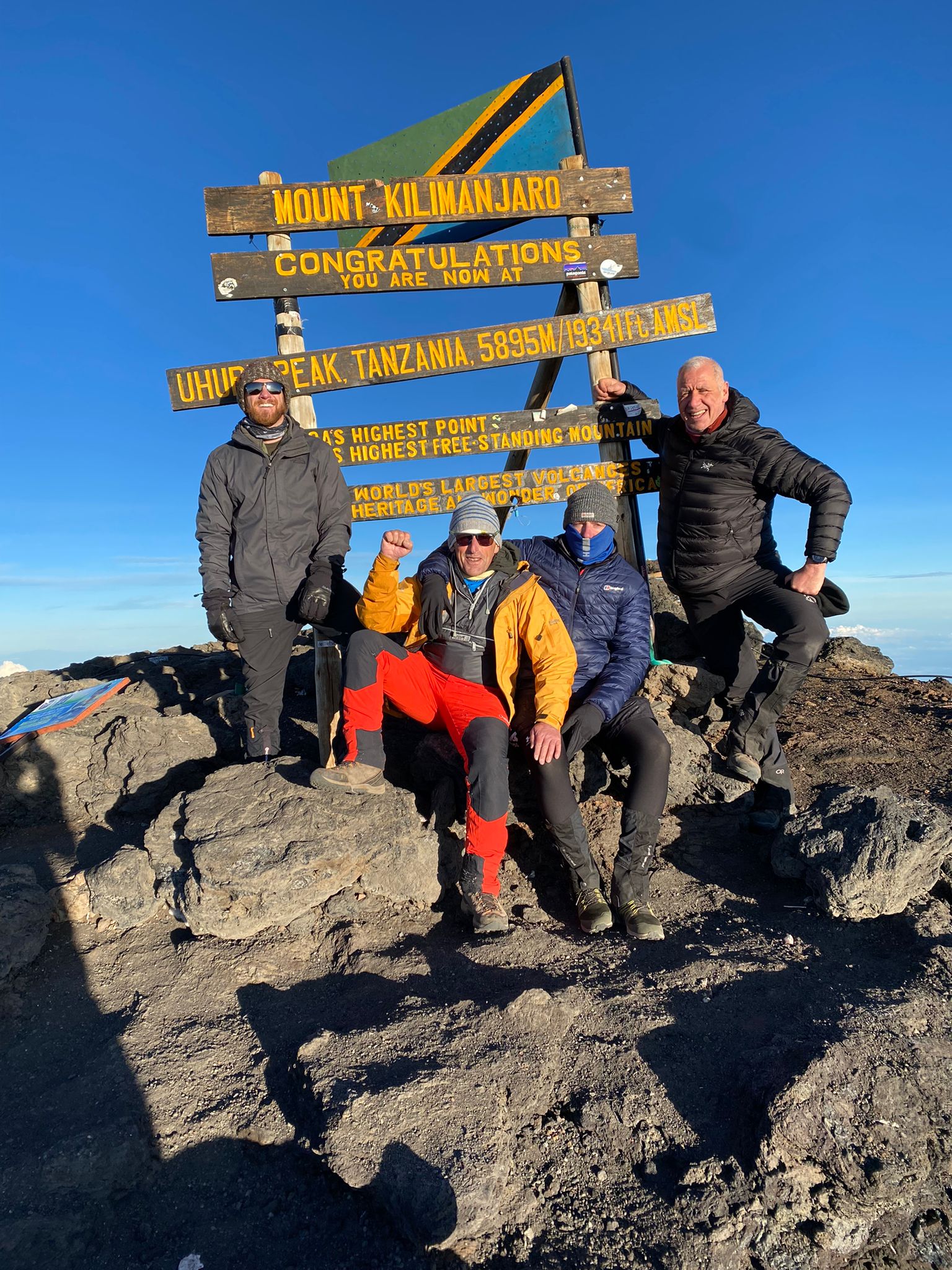
The route eventually leads to Uhuru Peak at 5,895 metres, the highest point on Mount Kilimanjaro and the highest summit in Africa.
For travelers who want a scenic and less crowded Kilimanjaro adventure, the Rongai Route provides an unforgettable journey through some of the mountain’s most remarkable environments.
Why Choose the Mount Kilimanjaro Rongai Route?
Every Kilimanjaro route offers a different experience. Some are known for dramatic scenery, while others are popular because of their shorter duration or comfortable accommodation.
The Rongai Route is particularly attractive because it approaches the mountain from the northern side. This part of Kilimanjaro is generally quieter and more remote than the southern routes.
The main highlights of the Rongai Route include:
- A less crowded trekking experience
- A remote northern approach
- Beautiful views over the Kenyan plains
- Diverse mountain landscapes
- Opportunities to experience Kilimanjaro’s changing vegetation zones
- Views of Mawenzi Peak
- A scenic journey through the Kibo Saddle
- A summit attempt at Uhuru Peak
- A descent through the Marangu Route
The route is also known for its gradual ascent during the early stages. This can make the first part of the trek feel less demanding than some steeper Kilimanjaro routes.
However, climbing Mount Kilimanjaro is still a challenging high-altitude adventure. Proper preparation, a suitable itinerary, experienced guides, and careful acclimatization are important.
Where Does the Rongai Route Start?
The Rongai Route begins on the northern side of Mount Kilimanjaro near the Kenyan border.
Trekkers travel from Arusha to the Kilimanjaro National Park area and complete registration procedures before continuing to the starting point near Nalemoru.
The early section of the route passes through rural farmland, including areas with maize and potato fields. The trail then enters the mountain’s forest zone.
This northern approach provides a different experience from routes that begin on the southern side of Kilimanjaro.
As the trek continues, the landscape gradually changes from green forest to open moorland and high-altitude alpine terrain.
The Unique Landscapes of the Rongai Route
One of the most rewarding parts of a Mount Kilimanjaro Trek Rongai Route is the opportunity to experience several distinct ecological zones.
The scenery changes as you gain altitude, creating a varied and memorable trekking experience.
Farmland and Lower Mountain Slopes
The trek begins near local farming areas.
The lower slopes provide a glimpse of rural life around Mount Kilimanjaro before the trail enters the protected mountain environment.
The gradual transition from farmland to wilderness creates an interesting start to the journey.
Rainforest Zone
The lower part of the Rongai Route passes through a forest environment.
The forest is home to a variety of plants and wildlife. Depending on conditions and wildlife activity, trekkers may see monkeys, antelopes, birds, and other animals.
The forest section is green and peaceful, with a natural atmosphere that is very different from the higher areas of the mountain.
Moorland Zone
As you climb higher, the dense forest gradually gives way to open moorland.
The vegetation becomes smaller and more widely spaced, while the views become broader.
The moorland section offers impressive scenery and opportunities to see the surrounding mountain landscapes.
From some areas, trekkers can enjoy wide views toward the Kenyan plains.
Alpine Desert
At higher elevations, the landscape becomes dry, rocky, and more exposed.
The vegetation becomes limited, and the environment begins to resemble a high-altitude desert.
The journey through the Kibo Saddle is one of the most distinctive sections of the Rongai Route.
The broad area between Kibo and Mawenzi provides dramatic views of the mountain’s volcanic features.
Arctic Summit Zone
The final section of the climb leads into the cold summit environment.
Trekkers usually begin the summit attempt during the night and climb through darkness toward the crater rim.
After reaching Gilman’s Point, the route continues toward Uhuru Peak.
The summit area can be extremely cold and windy, making warm clothing and proper preparation essential.
Mount Kilimanjaro Rongai Route Itinerary
The exact itinerary may vary depending on the selected trekking package and the number of days chosen.
Adventure Makers offers a private and customizable Rongai Route experience with full-service camping, professional guides, assistant guides, chefs, and porters. The itinerary begins and ends in Arusha and includes a trek from the northern side of Kilimanjaro to Uhuru Peak before descending through the Marangu Route.
A typical Rongai Route journey may follow the itinerary below.
Day 1: Arrival in Arusha
Your Mount Kilimanjaro adventure begins with arrival in Arusha.
After arriving at Kilimanjaro International Airport or another selected arrival point, you will be welcomed and transferred to your accommodation.
The rest of the day can be used to relax and prepare for the trek.
This is a good time to:
- Organize your trekking equipment
- Check your clothing and footwear
- Meet your trekking team
- Review the route
- Ask questions about the climb
- Rest before beginning the adventure
A detailed equipment check is important because the weather conditions on Mount Kilimanjaro can change significantly with altitude.
Day 2: Nalemoru to Rongai First Cave Camp
After breakfast, you will travel from Arusha toward the northern side of Mount Kilimanjaro.
Following registration and park procedures, the trek begins near Nalemoru.
The trail passes through farmland before entering the forest.
The first day generally follows a gradual and scenic path.
Depending on wildlife activity, you may have opportunities to observe birds, monkeys, antelopes, or other animals in the forest environment.
The day ends at Rongai First Cave Camp, located near the transition between the forest and moorland zones.
The camp provides beautiful views and a peaceful wilderness atmosphere.
Day 3: Rongai First Cave to Kikelewa Camp
The trek continues through changing landscapes as you gain altitude.
The route moves through open moorland, and the vegetation becomes less dense.
As you climb, views of Kibo and the surrounding mountain environment become more impressive.
The journey continues toward the rugged peaks of Mawenzi.
After leaving the main trail, you follow a smaller path toward Kikelewa Camp.
This section provides a strong sense of the mountain’s remote and peaceful character.
The day involves a steady ascent and offers a rewarding combination of scenery and changing terrain.
Day 4: Kikelewa Camp to Mawenzi Tarn
The trek from Kikelewa Camp to Mawenzi Tarn is shorter but includes a steeper climb.
Mawenzi Tarn is located beneath the dramatic slopes of Mawenzi Peak.
The surrounding scenery is among the most beautiful on the mountain.
After arriving at camp, trekkers have time to rest, enjoy lunch, and explore the surrounding area.
The afternoon is also important for acclimatization.
Spending time at this elevation allows the body to adjust gradually before moving toward the higher summit zone.
Day 5: Acclimatization or Trek to Kibo Camp
The schedule for this stage depends on the length of the selected Rongai Route itinerary.
Some longer itineraries include an additional acclimatization day at Mawenzi Tarn.
An extra day can provide more time for the body to adapt to the increasing altitude.
On the standard route, trekkers continue toward Kibo Camp.
The trail crosses the Kibo Saddle, a broad and dry alpine desert located between the peaks of Kibo and Mawenzi.
The landscape is open, rocky, and dramatic.
As you approach Kibo Camp, the summit cone becomes increasingly prominent.
The camp is located at a high elevation and serves as the final resting point before the summit attempt.
After an early dinner, trekkers prepare their clothing, equipment, water, and snacks for the night climb.
Day 6: Kibo Camp to Uhuru Peak and Horombo Camp
Summit day is the most challenging and rewarding stage of the Mount Kilimanjaro Trek Rongai Route.
The climb usually begins late at night.
Trekkers use headlamps and follow the trail through cold and dark conditions.
The route climbs toward Gilman’s Point on the crater rim.
Reaching the crater rim is a major achievement and provides an opportunity to experience sunrise over the mountain.
From Gilman’s Point, the route continues along the crater rim toward Uhuru Peak.
At 5,895 metres, Uhuru Peak is the highest point on Mount Kilimanjaro.
Standing at the summit is an unforgettable moment and the result of several days of determination and careful trekking.
After spending a short time at the summit, trekkers begin the descent.
The route returns toward Kibo Camp for rest before continuing down to Horombo Camp.
The descent is long and can be demanding, but the increasing oxygen levels usually make breathing easier as you lose altitude.
Day 7: Horombo Camp to Marangu Gate
After breakfast, the final day begins with a descent through changing vegetation.
The trail moves from the higher mountain environment toward the forest zone.
After reaching Marangu Gate, successful climbers receive their summit certificates.
Your vehicle will then transfer you back to Arusha.
The rest of the day can be used to relax, enjoy a comfortable shower, celebrate your achievement, and reflect on the experience.
Day 8: Departure from Arusha
After breakfast, you will be transferred to the airport for your onward journey.
Some travelers choose to extend their trip with a Tanzania wildlife safari, a cultural experience, or a Zanzibar beach holiday.
How Difficult Is the Rongai Route?
The Rongai Route is considered a challenging high-altitude trek.
Although the early stages have a relatively gradual ascent, the overall journey requires good physical preparation and mental determination.
The main challenges include:
- High altitude
- Long trekking days
- Cold temperatures
- Steep sections
- Uneven terrain
- The demanding summit night
- Several days of continuous hiking
The route is not a technical climbing route, and climbers do not normally need ropes or advanced mountaineering skills.
However, altitude can affect anyone, regardless of age or fitness level.
A slower pace, proper acclimatization, good hydration, and following the guidance of your mountain team are important.
Is the Rongai Route Good for Beginners?
The Rongai Route can be suitable for first-time Kilimanjaro climbers who are physically prepared and choose an appropriate itinerary.
Its quieter trails and gradual early ascent can make it appealing to beginners.
However, beginners should not underestimate the challenge.
Climbing to nearly 6,000 metres requires preparation and a realistic understanding of high-altitude trekking.
Before the trip, it is helpful to:
- Complete regular walking or hiking training
- Build cardiovascular fitness
- Practice walking on hills
- Strengthen your legs and core
- Test your hiking boots
- Practice using trekking poles
- Learn about altitude safety
A longer itinerary with an additional acclimatization day may provide a more comfortable pace.
Rongai Route Scenery and Wildlife
The Rongai Route offers a variety of landscapes and scenic viewpoints.
Highlights may include:
- Rural farmland near the starting point
- Mountain rainforest
- Open moorland
- Views across the Kenyan plains
- The rugged peaks of Mawenzi
- The Kibo Saddle
- High-altitude volcanic landscapes
- The summit crater
- Views from Uhuru Peak
The lower forest areas may provide opportunities to see wildlife.
Possible sightings include:
- Colobus monkeys
- Other monkey species
- Antelopes
- Buffaloes
- Elephants
- Mountain birds
Wildlife sightings are not guaranteed because animals move freely and sightings depend on natural conditions.
Rongai Route vs Other Kilimanjaro Routes
The Rongai Route has several features that make it different from other popular Kilimanjaro routes.
Rongai Route vs Machame Route
The Machame Route is known for its scenic landscapes and varied terrain.
However, Machame is often busier because it is one of the most popular Kilimanjaro routes.
The Rongai Route generally offers a quieter experience and approaches the mountain from the north.
Rongai Route vs Marangu Route
The Marangu Route is known for using mountain huts rather than camping tents.
The Rongai Route is generally a camping trek and provides a more remote wilderness experience.
The Rongai Route also approaches from the northern side and descends through the Marangu Route.
Rongai Route vs Lemosho Route
The Lemosho Route is known for diverse scenery and a longer acclimatization profile.
The Rongai Route is often chosen by travelers who prefer quieter trails and a less crowded northern approach.
Both routes offer beautiful scenery and require careful preparation.
Best Time to Climb the Rongai Route
Mount Kilimanjaro can be climbed throughout the year, but weather conditions vary.
Many travelers prefer the drier periods because the trails may be more comfortable and there is often a greater chance of clear views.
Popular trekking periods generally include:
January to Early March
This period can offer warm conditions and clear mountain views.
Weather patterns may vary, and trekkers should still prepare for rain and changing temperatures.
June to October
This is another popular period for Kilimanjaro trekking.
Conditions are often drier, although temperatures can be colder at higher elevations.
November and Other Rainy Periods
Rain can make some trails wetter and more challenging.
The Rongai Route’s northern location is often considered relatively dry compared with some southern routes, but weather can change and rainfall is still possible.
The best travel period depends on your schedule, weather preferences, and trekking goals.
What to Pack for the Rongai Route
A complete Kilimanjaro packing list should include clothing and equipment suitable for warm lower slopes and freezing summit conditions.
Important items include:
- Comfortable, broken-in hiking boots
- Moisture-wicking trekking shirts
- Thermal base layers
- Hiking trousers
- Fleece or insulated mid-layers
- A warm insulated jacket
- Waterproof and windproof outer clothing
- Warm gloves
- A thermal hat
- A neck warmer or buff
- Trekking socks
- A daypack
- Trekking poles
- A headlamp with spare batteries
- Sunglasses
- Sunscreen
- Reusable water bottles or a hydration system
- Personal medication
- A warm sleeping bag if required
Your trekking company can provide detailed guidance about the equipment included in your package and the items you need to bring.
Why Choose Adventure Makers for the Rongai Route?
A successful Mount Kilimanjaro climb requires more than choosing a route.
Professional guides, experienced mountain staff, proper planning, suitable camping arrangements, and reliable support are important throughout the journey.
Adventure Makers offers private and customizable Rongai Route treks with experienced guides, assistant guides, chefs, and porters. The trek includes full-service camping, mountain meals, drinking water, transport arrangements, park and climbing fees, and pre- and post-trek accommodation in Arusha.
The Adventure Makers team can help you prepare for the trek and select an itinerary that suits your travel schedule and climbing goals.
Frequently Asked Questions About the Mount Kilimanjaro Rongai Route
How many days does the Rongai Route take?
The trekking portion is commonly completed over several days, with longer options allowing additional time for acclimatization. The full Adventure Makers itinerary includes arrival and departure days in Arusha.
Is the Rongai Route difficult?
Yes. The route is a challenging high-altitude trek. The early sections are relatively gradual, but the summit climb is physically demanding.
Is the Rongai Route less crowded?
Yes. The Rongai Route is generally quieter than some of the more popular Kilimanjaro routes because it approaches the mountain from the northern side.
Does the Rongai Route reach Uhuru Peak?
Yes. The route leads to Uhuru Peak at 5,895 metres, the highest point on Mount Kilimanjaro.
Where does the Rongai Route start?
The route begins near Nalemoru on the northern side of Mount Kilimanjaro, close to the Kenyan border.
Where does the Rongai Route end?
After reaching Uhuru Peak, climbers descend through the Marangu Route and finish at Marangu Gate.
Is the Rongai Route suitable for beginners?
It can be suitable for first-time climbers who are physically prepared and follow a suitable acclimatization plan. A longer itinerary may provide more time for altitude adjustment.
Do I need technical climbing experience?
The Rongai Route is a trekking route and does not normally require technical mountaineering skills. However, good fitness, preparation, and the ability to manage high-altitude conditions are important.
Final Thoughts
The Mount Kilimanjaro Trek Rongai Route offers a peaceful, scenic, and rewarding journey to the Roof of Africa.
Its remote northern approach, quieter trails, changing landscapes, views of Mawenzi, and dramatic journey through the Kibo Saddle make it a unique choice for climbers.
From the lower forest and open moorland to the cold summit environment, every stage provides a different experience.
Reaching Uhuru Peak requires preparation, patience, and determination, but the sense of achievement is unforgettable.
With experienced guides, a supportive mountain team, proper acclimatization, and careful planning, Adventure Makers can help you experience the beauty and challenge of the Rongai Route.
Start planning your Mount Kilimanjaro Rongai Route adventure with Adventure Makers and take the first step toward reaching Africa’s highest summit.